
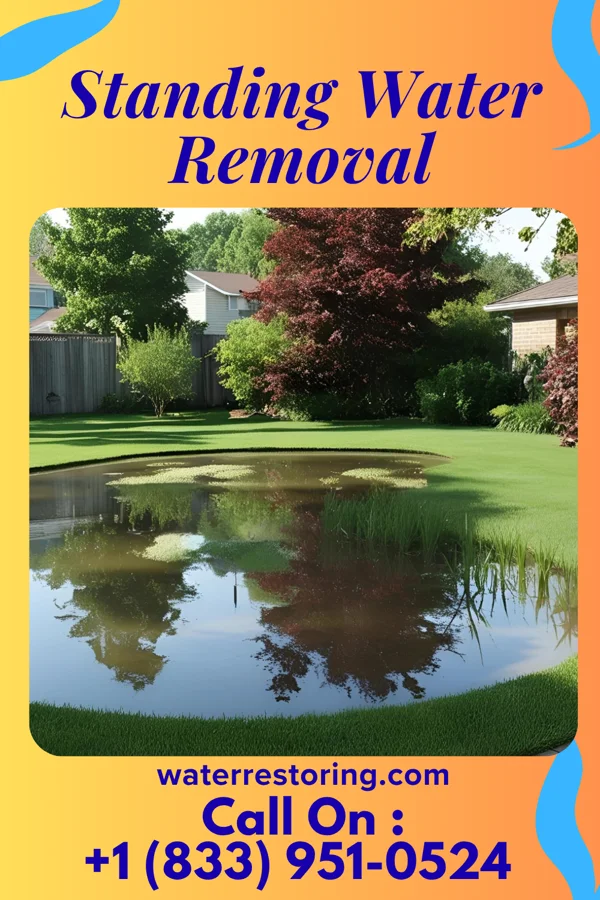
When Dodge City Properties Need Standing Water Removal
Water damage in Dodge City usually starts with In Dodge City, Kansas, the primary water damage cause is often due to sudden plumbing failures, such as burst pipes in residential and commercial properties, especially during colder months when frozen pipes are common. Additionally, heavy rainfall and flash flooding from nearby rivers can lead to significant water intrusion in basements and low-lying areas.. A close second is Secondary causes include leaking roofs from storm damage, malfunctioning sump pumps, and water infiltration from nearby agricultural fields during periods of heavy precipitation. These issues are exacerbated by the region's flat terrain and proximity to the Arkansas River.. Professional restoration follows the IICRC protocol on every job. Assess. Extract. Dry. Sanitize. Document.
Dodge City experiences a semi-arid climate with hot summers and cold winters, leading to frequent temperature fluctuations that can cause pipes to freeze and burst. The area is also prone to severe thunderstorms and tornadoes, which can result in sudden water damage from wind-driven rain and downed power lines.
Water damage in Dodge City follows a few local patterns. In Dodge City, Kansas, the primary water damage cause is often due to sudden plumbing failures, such as burst pipes in residential and commercial properties, especially during colder months when frozen pipes are common. Additionally, heavy rainfall and flash flooding from nearby rivers can lead to significant water intrusion in basements and low-lying areas. accounts for the bulk of our calls. Dodge City experiences a semi-arid climate with hot summers and cold winters, leading to frequent temperature fluctuations that can cause pipes to freeze and burst. The area is also prone to severe thunderstorms and tornadoes, which can result in sudden water damage from wind-driven rain and downed power lines. Mold can develop rapidly in Dodge City due to the high humidity levels during summer and the potential for prolonged water exposure from flooding or leaks. Prompt water extraction and drying are critical to prevent mold growth and structural damage.